
- Share
- Share on Facebook
- Share on LinkedIn
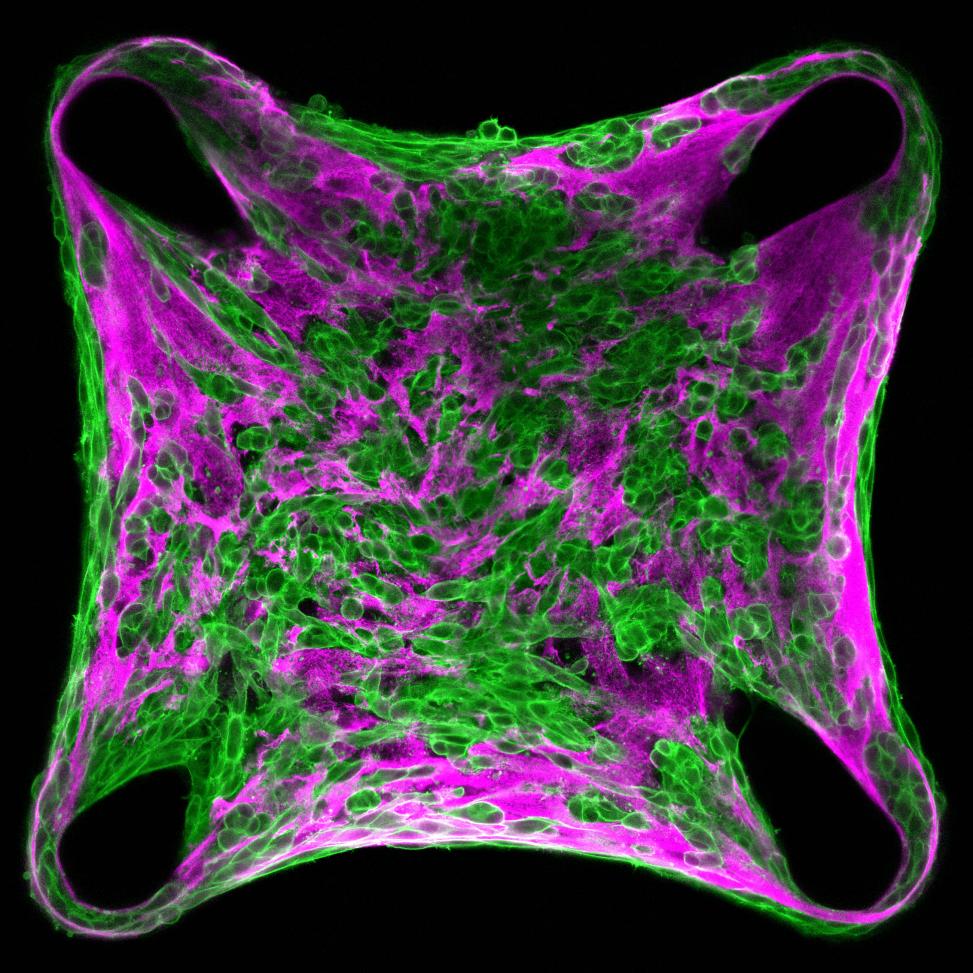
Engineered microtissue
Biological tissue model engineered using fibroblast cells (labeled in green) encapsulated in collagen matrix (labeled in magenta). The resulting microtissue is suspended between four flexible micropillars that serve as sensors of tissue contractility. This type of microtissue is used to model the formation, maturation, and mechanics of physiological or pathological biological tissues (e.g., muscle, stroma, etc.). The tissue measures 550 µm on each side.
Contact(s) :
Thomas Boudou
MicroTiss team
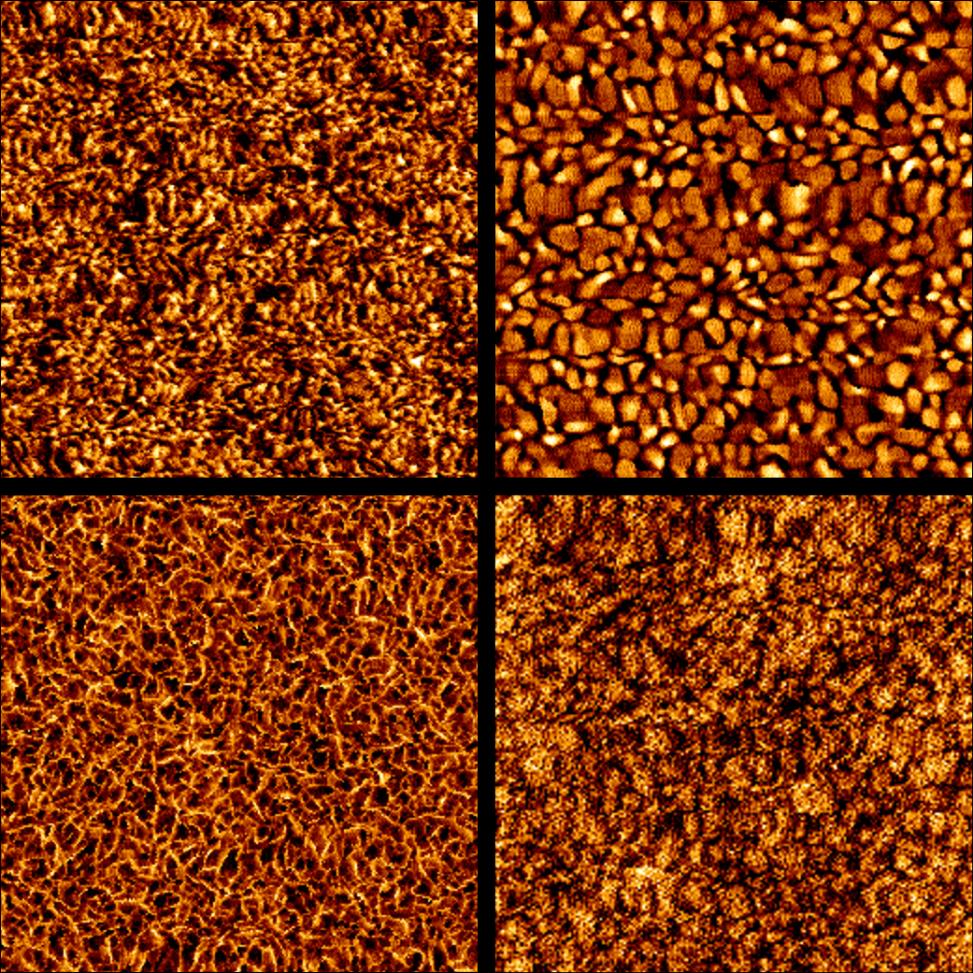
Surfaces of materials with different morphologies at the nanoscale
Thin layers of materials: platinum (Pt, top left), gold (Au, top right), molybdenum disulfide (MoS2, bottom left) & titanium dioxide (TiO2, bottom right). Deposits with a thickness of ~10-100 nm are produced by Magnetron Sputtering, then their nanoscale topography (morphology, roughness) is characterized by Atomic Force Microscopy (images with a side length of 1 µm*1 µm, vertical color scale ~ a few nm). These surfaces are used in particular in the Dynamic Surface Force Apparatus to probe the physical behavior of confined liquids.
Contact(s) :
Romain Lhermerout, Michaël Betton & Jérôme Giraud
MODI team
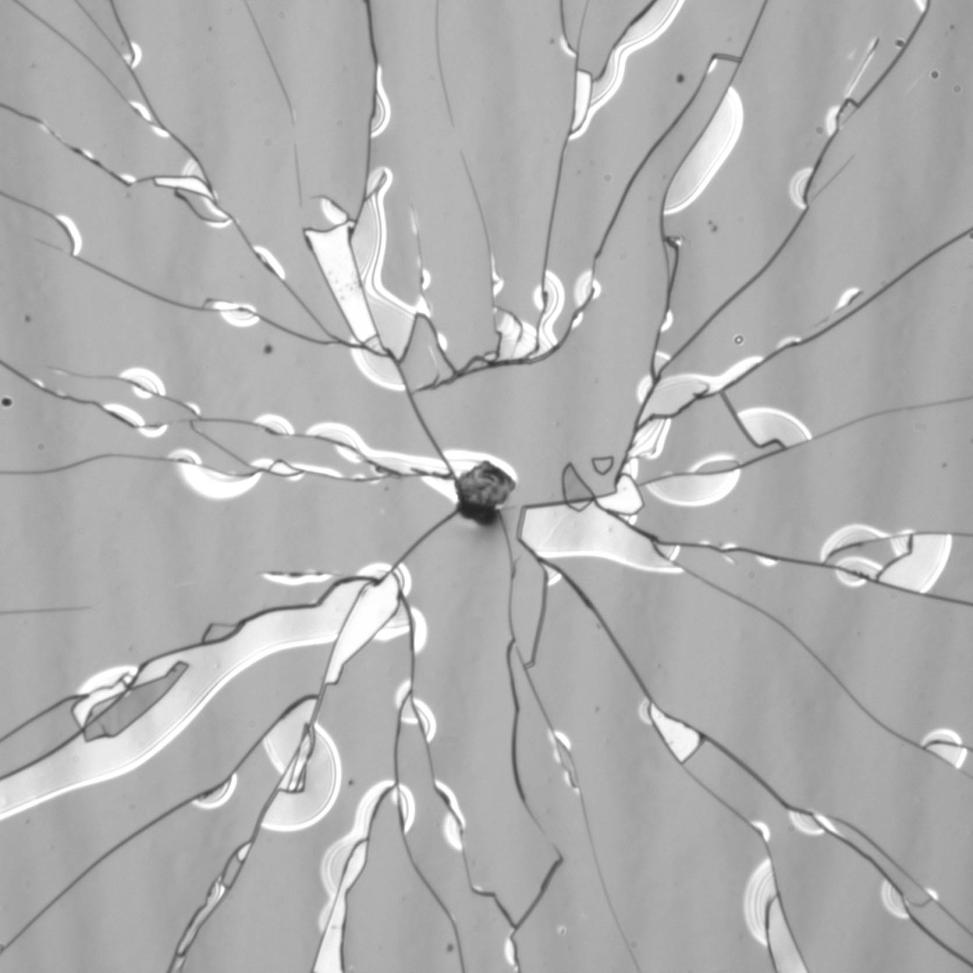
Cracking of a thin PMMA film exposed to ethanol
Image illustrating environmental stress cracking (ESC) of a thin polymethyl methacrylate (PMMA) film spin-coated onto a silicon substrate after immersion in ethanol. Solvent penetration into the polymer induces relaxation of residual stresses, leading to the formation of characteristic crack patterns. This mechanism is studied for a microelectronics cleaning application through the controlled deposition and removal of sacrificial layer.
Contact(s) :
Mona Moukrati, Élise Lorenceau, Elsa Bayart & Lionel Bureau
MODI team
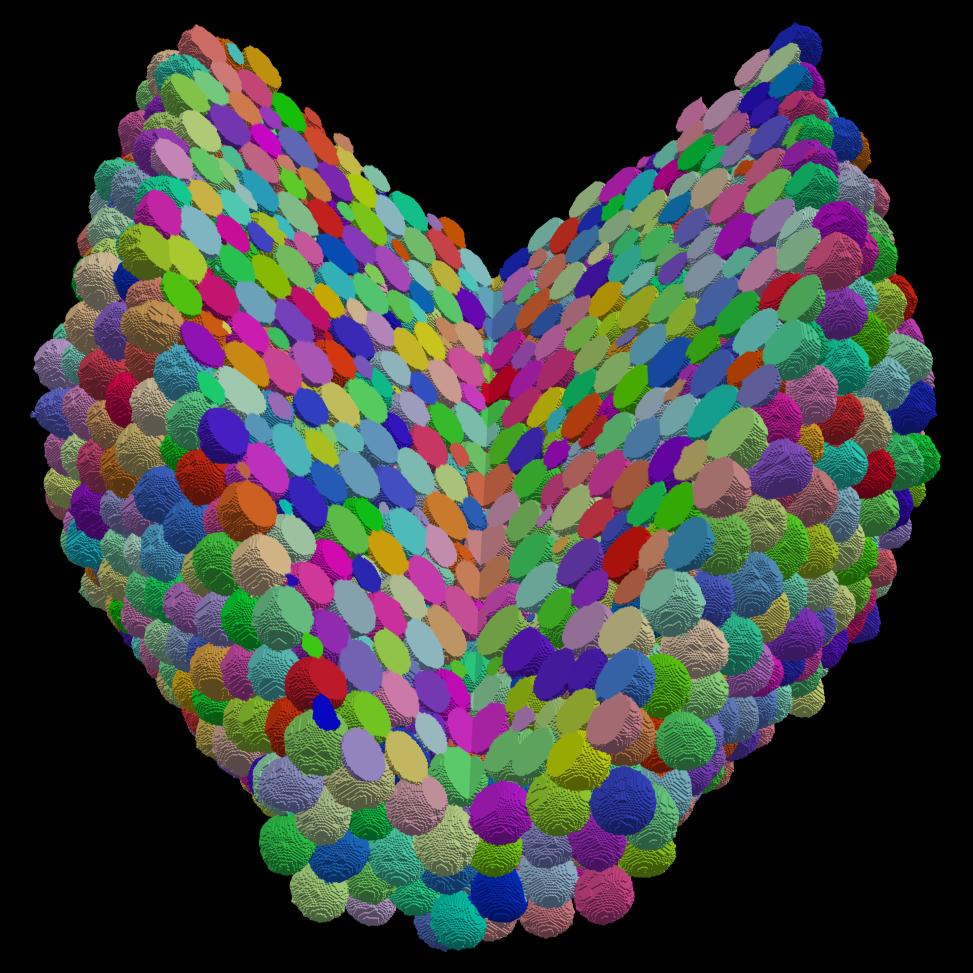
Three-dimensional foam flowing through a hopper
Assembly of bubbles constituting a foam flowing in the convergent part of a hopper (whose walls are not displayed on the image). The image is acquired by fast X-ray tomography in a synchrotron beamline. Each bubble is then identified by image analysis, and showed on this snapshot with different colours. This kind of experiments enables to track each bubble in real time in a foam flow, directly relates the microstructure of a foam to its rheological behaviour at the global scale.
Contact(s) :
Benjamin Dollet, in collaboration with Florian Schott (Lund, Suède), Rajmund Mokso (DTU, Danemark), Christian Schlepütz (PSI, Suisse), Stéphane Santucci (ENS Lyon) & Christophe Raufaste (Université Côte d'Azur)
MoVe team
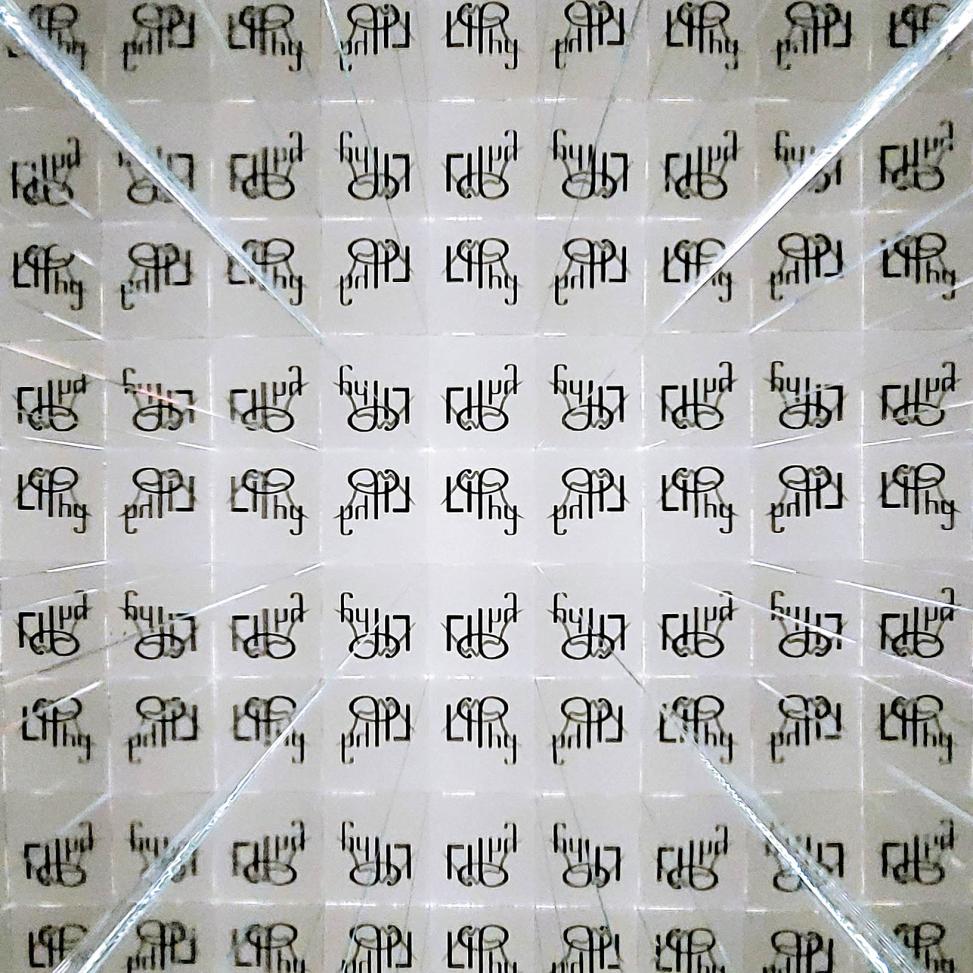
Kaleidoscopic effect in a square waveguide
This kaleidoscopic effect, illustrated here with the printed LIPhy logo, can be exploited in square-core optical fibers to transport
information in a way that is robust to deformations.
Contact(s) :
Emmanuel Bossy, Dorian Bouchet, Philippe Moreau & Irène Wang
IMOV team
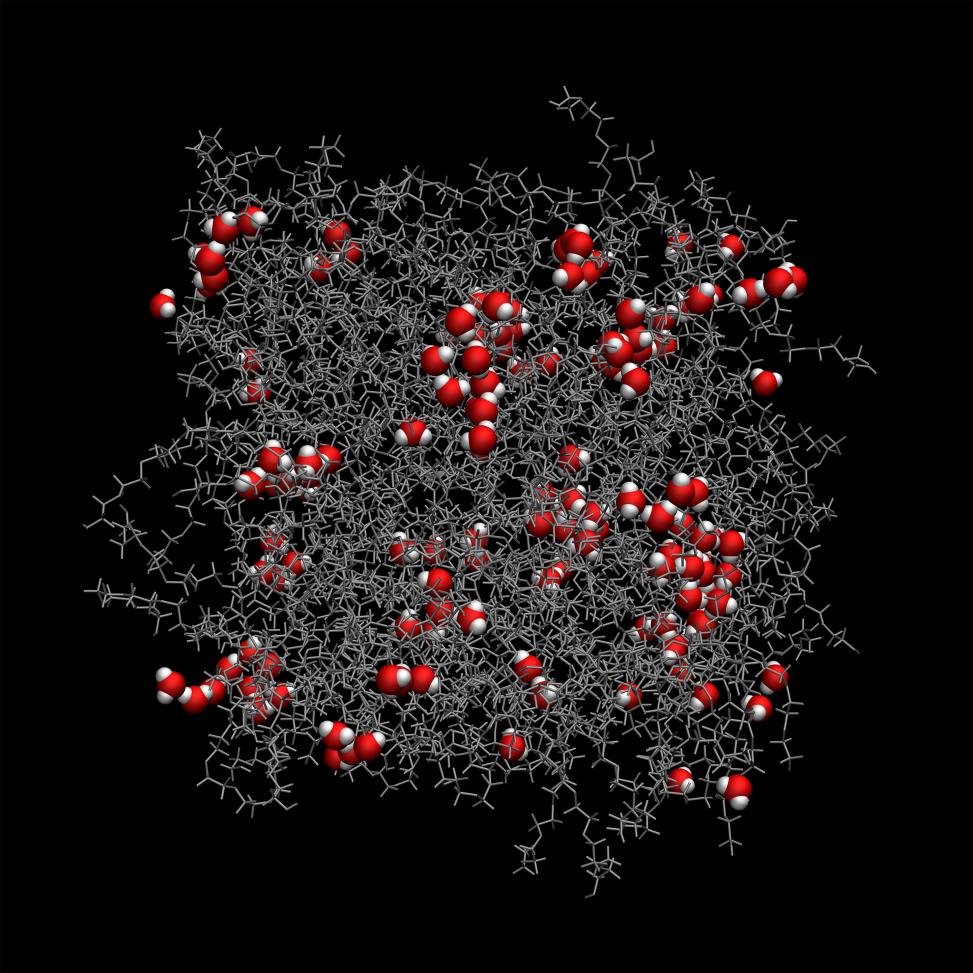
Transport of water molecules in a microporous polymer
Molecular dynamics simulation showing water molecules (in red and white) adsorbed within a polymer with molecular-sized pores (in gray). These simulations are used to study the collective transport properties of the molecules, and the results can be compared with those obtained from neutron scattering experiments.
Contact(s) :
Simon Gravelle
PSM team
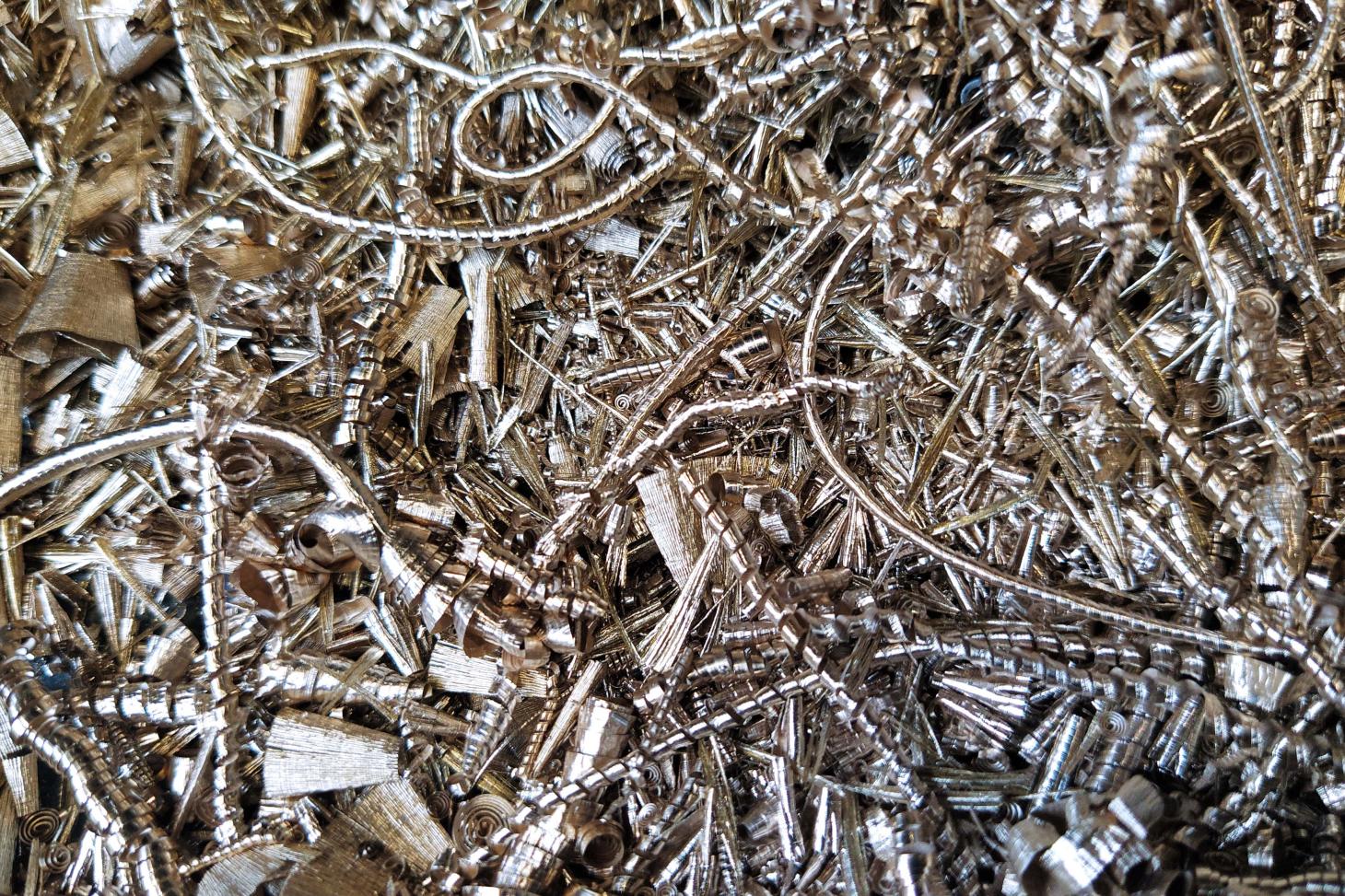
Brass shavings
The shavings are the result of collateral damage to the material during machining. The long shapes are obtained by turning and drilling the parts, causing the shavings to twist and turn as if they were alive, like worms, moving in an environment of gold and light. Once melted down, they will rise from their ashes to dance again.
Contact(s) :
Ralph Gros
Mechanical Platform
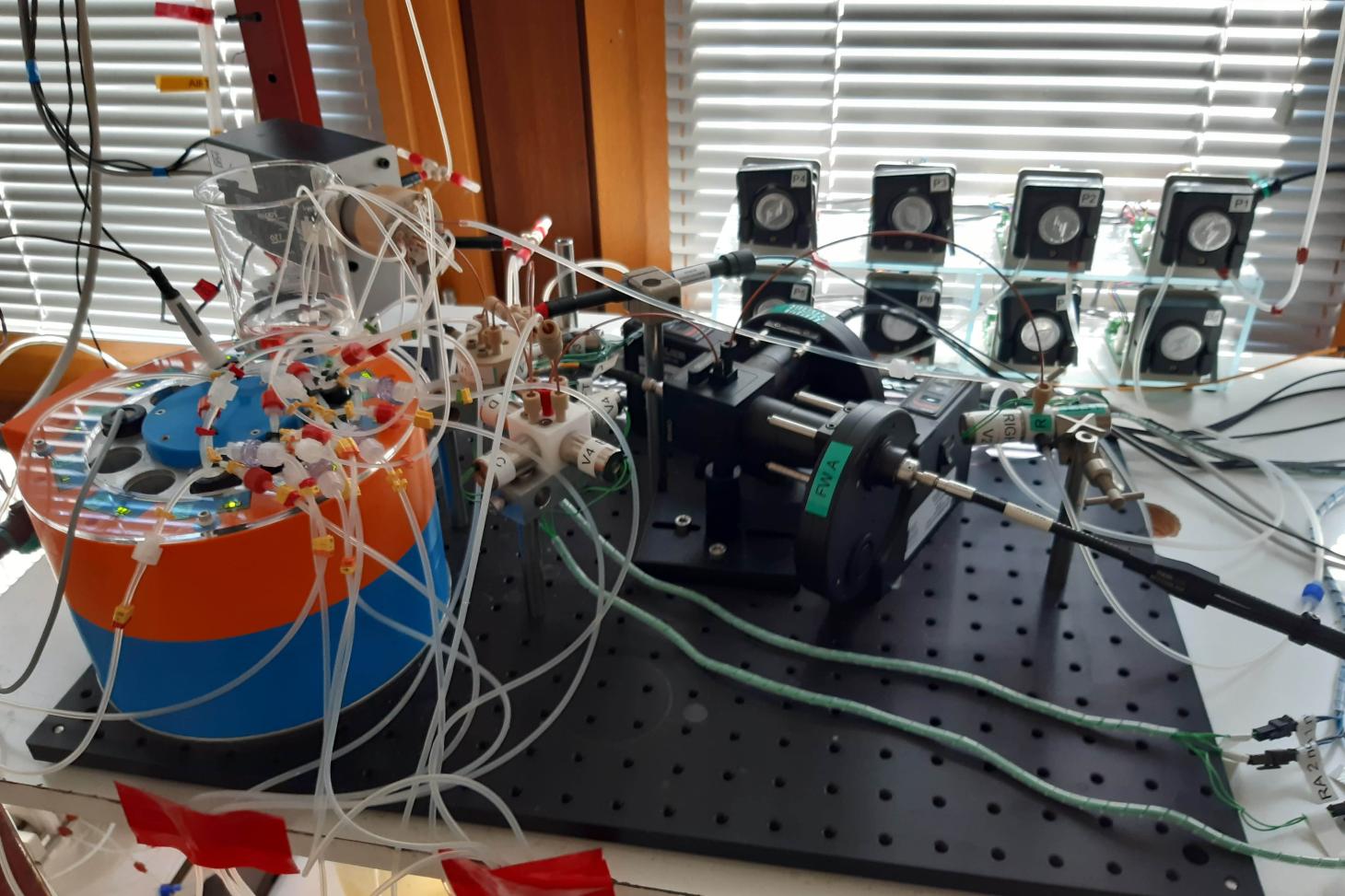
Mini-Bioreactor Platform
In collaboration with the Inria centers at UGA and Université Côte d’Azur, we have developed an expandable, computerized mini-bioreactor platform for designing and conducting growth monitoring and reactive control experiments on microbial cultures. The platform includes several measuring instruments (spectrometers, cytometers, etc.) and a thermostatic incubator that can accommodate up to 10 20 ml growth tubes and is equipped with LEDs for optogenetics. A microfluidic system transports samples from the bioreactors to the measurement system and regulates the inflow and outflow of the bioreactors. Internally developed software supervises the operation of the platform and enables the automated design and execution of several experiments in parallel.
Contact(s) :
Eugenio Cinquemani, Hans Geiselmann, Hidde de Jong, Noël Scaramozzino & Soraya Arias
BIOP (LIPhy) & Microcosme (INRIA) teams
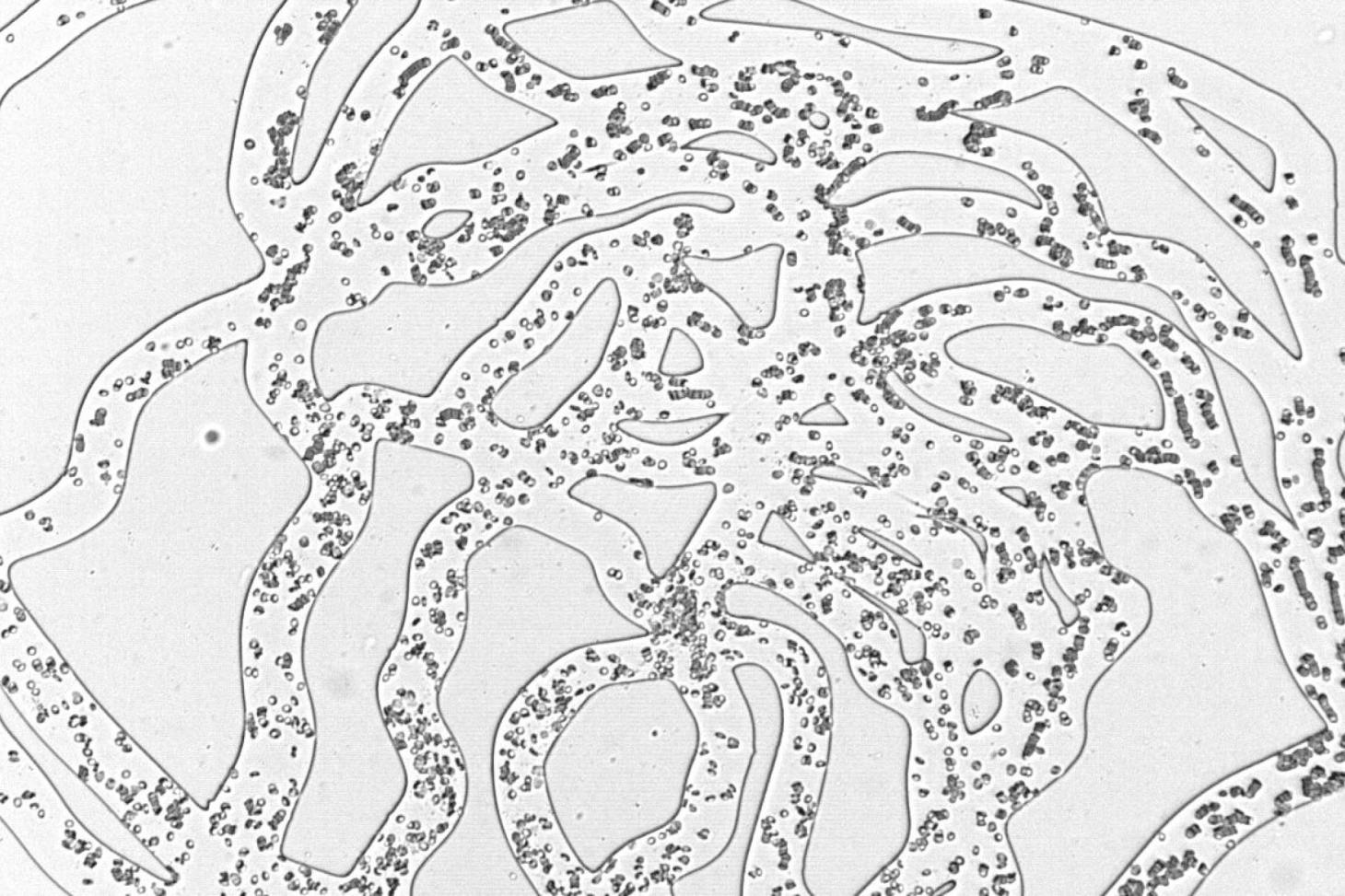
Diabetes, retina and blindness: the silent danger of vascular occlusions
Diabetes often leads to serious health complications, including blindness, kidney failure, and lower limb amputation. In collaboration with CHU Grenoble, we are studying diabetic blood circulation within a complex network inspired by the retina. The formation of persistent aggregates can lead to capillary occlusions, which are a major cause of vision loss and even blindness.
Contact(s) :
Chaouqi Misbah & Tanoy Kahali
EcCEL (LIPhy) & Endocrinologie (CHU Grenoble) teams
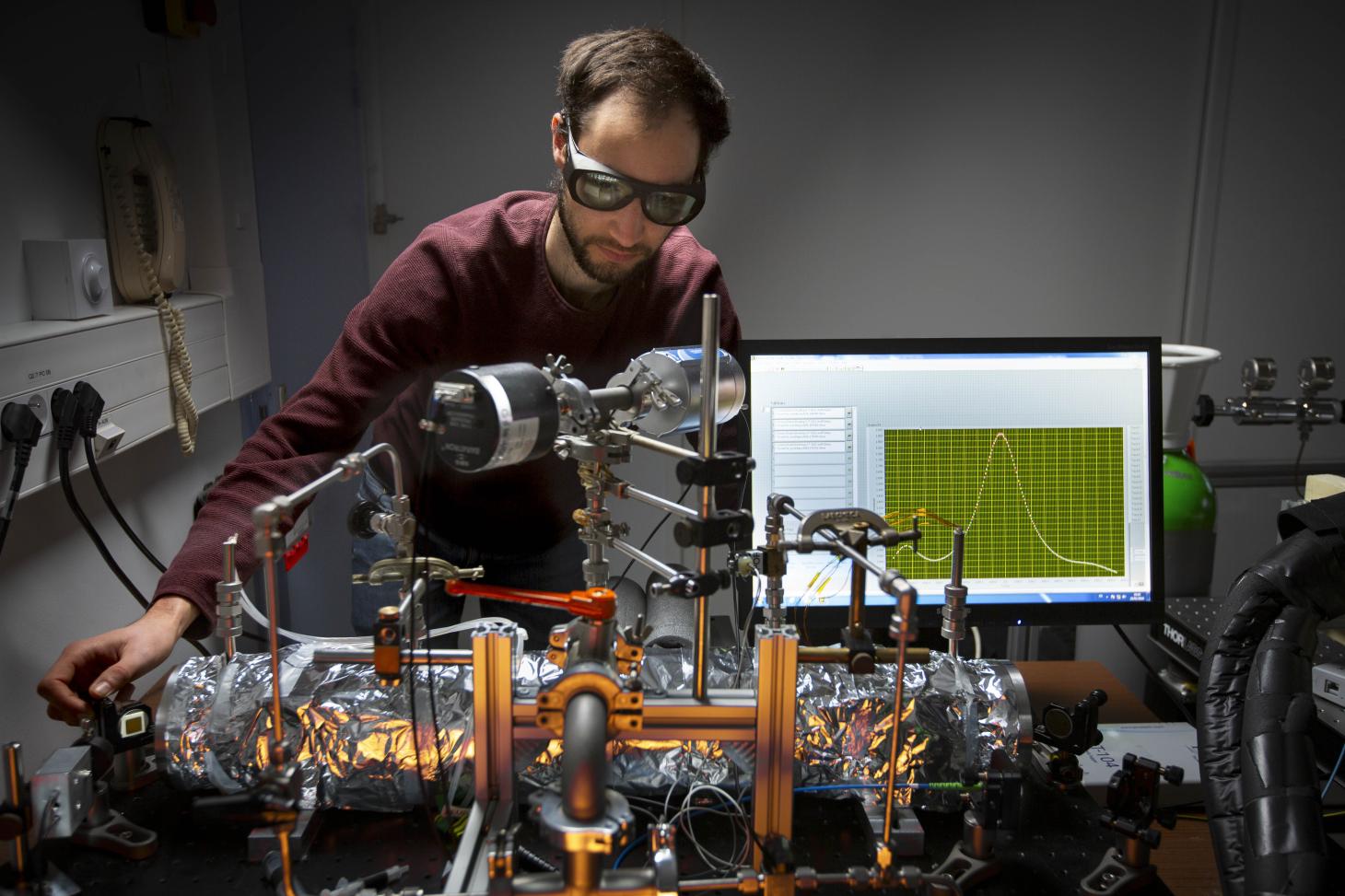
Measurement of dioxygen absorption lines using optical cavity spectroscopy
Measurement of oxygen molecule (O2) absorption lines using cavity ring-down spectroscopy (CRDS). This technique makes it possible to record the absorption spectra of molecules in the gas phase using a high-finesse optical cavity. The cavity is temperature-controlled and coupled to a laser source in order to determine the spectroscopic parameters of the molecule's absorption lines at different temperatures and pressures. These measurements are carried out as part of the CNES MicroCarb satellite mission, in particular to calculate the total amount of greenhouse gases observed in the air column sounded and to compare it with in situ measurements taken by balloon or aircraft. CRDS spectrometers using a high-finesse optical cavity are being developed at LIPhy. Their very high sensitivity allows them to accurately record the gas-phase absorption spectra of various molecules of atmospheric and planetary interest. These data are used in particular for satellite missions mapping greenhouse gas concentrations or the radiation balance of planetary atmospheres.
Contact(s) :
Didier Mondelain
LAME team
© Christian MOREL / LIPHY / CNRS Images
Read more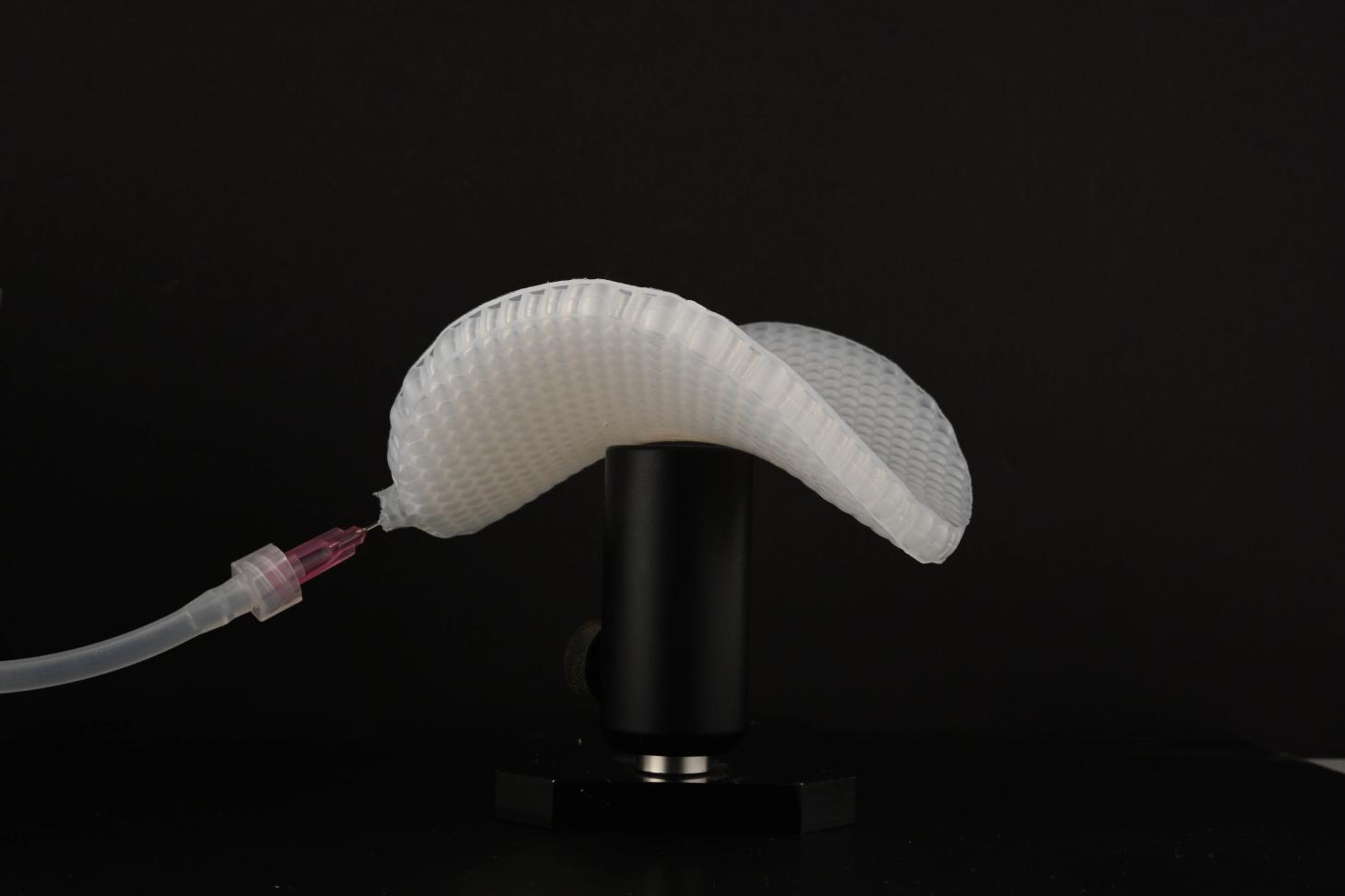
Architected inflated panel
This panel is made of hyperelastic silicone rubber and features a network of interconnected cylindrical cavities. When inflated, the cavities -larger at the periphery and smaller at the center- expand unevenly. This mismatch in expansion creates in-plane stresses, causing the panel to break its initial flat symmetry. As a result, it buckles out of plane, forming a 3D saddle shape that minimizes elastic energy.
Contact(s) :
Ofir Mirkin & Emmanuel Siéfert
MoVe team
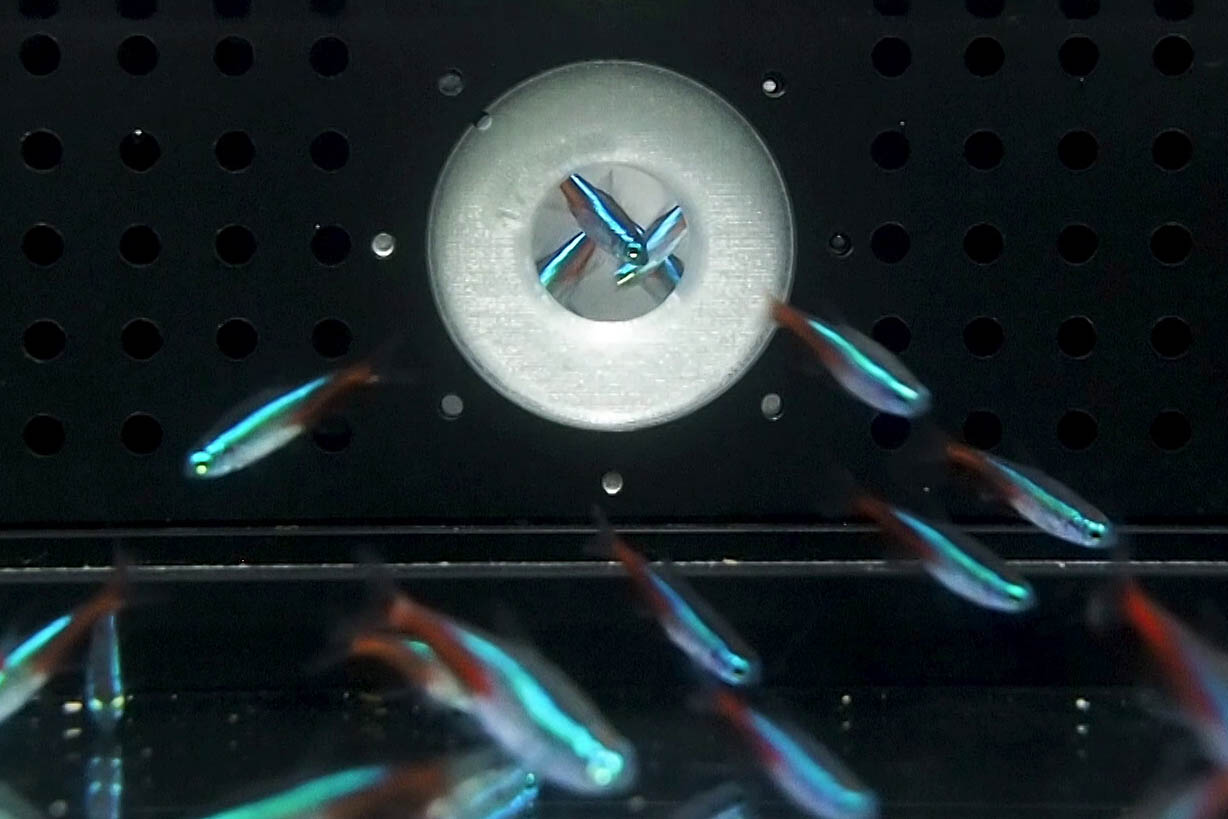
Evacuation of fish crowds
Experiment of fish crowd evacuation seen from the inside. A group of 30 fish is forced to evacuate through a narrow opening. Statistics of fish passage reveal that fish evacuate without clogging, maintaining social distancing. In contrast, when the urgency to exit increases, human crowds evacuate in an inefficient manner due to intermittent clogging
Contact(s) :
Aurélie Dupont & Philippe Peyla
IMOV & MoVe teams
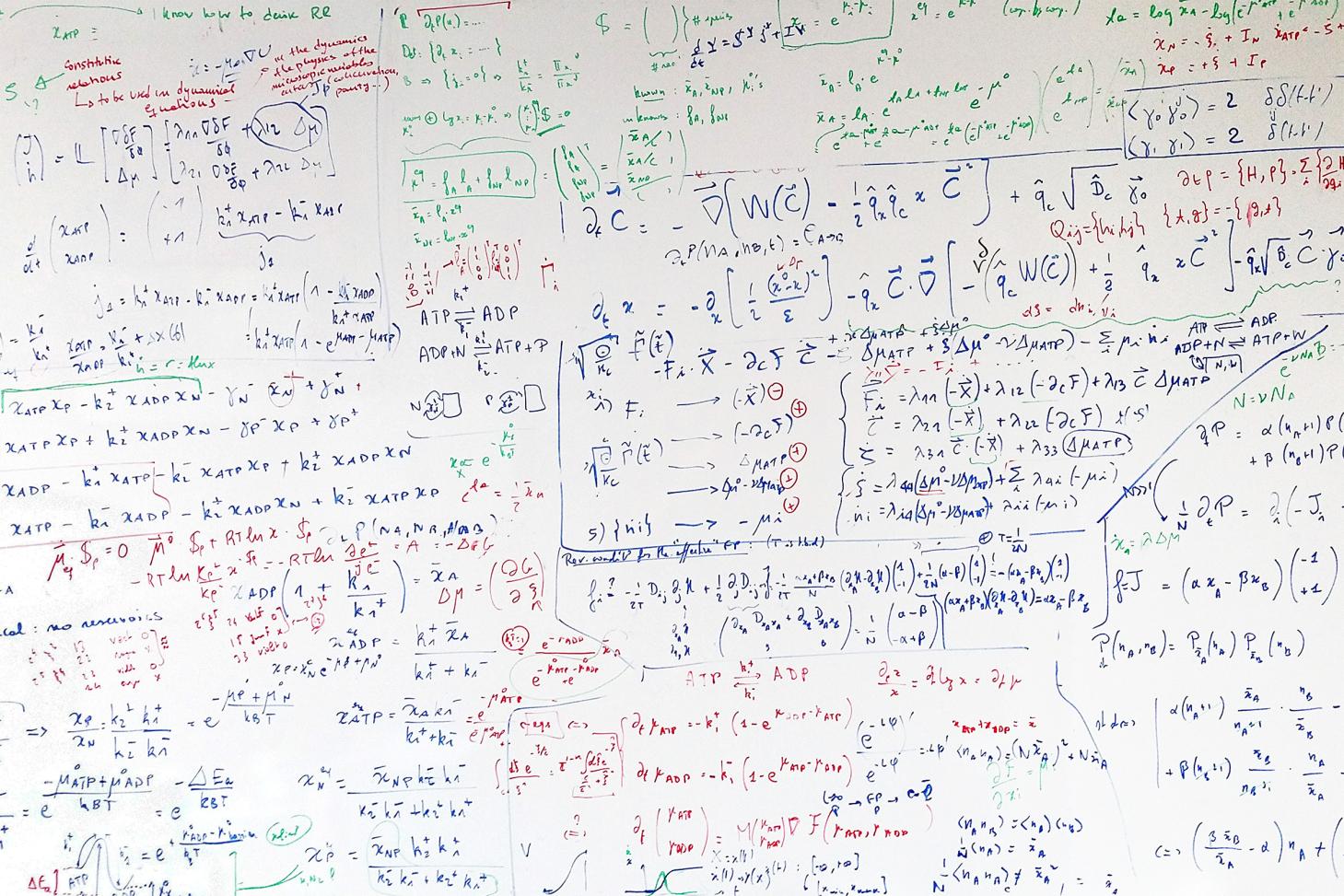
First steps in chemistry - for those working in theoretical statistical physics
In linear irreversible thermodynamics, Onsager's relations state that, near equilibrium, fluxes are linear in forces. Fluxes (of heat, energy, matter, etc.) constitute the system's response to a cause (a temperature or potential gradient, etc.). The coefficients involved in these relations are generally phenomenological. The calculations in this white paper correspond to systems in biology where coupling occurs between mechanics (forces, displacements) and chemistry (advancement and chemical potential gradient), or where the value of the Onsager coefficients may be of interest. Attempts to derive these values from more microscopic models of statistical physics have inspired a geometric approach to chemical reaction networks.
Contact(s) :
Vivien Lecomte & Pierre Recho
PSM & MC2 teams
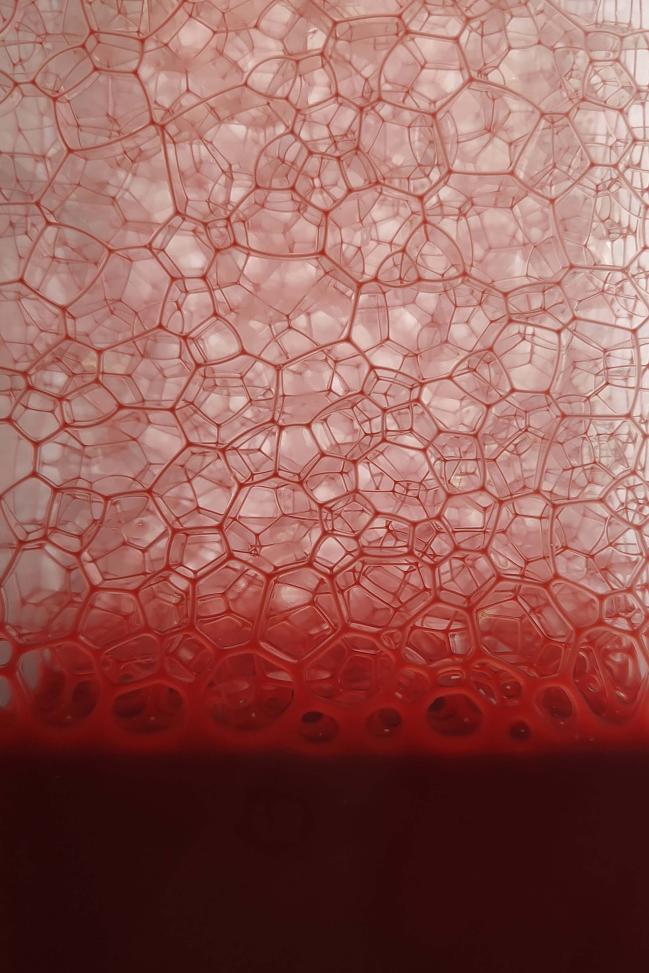
Blood foams too!
Blood, like egg whites, contains many macromolecules, particularly albumin. These proteins are excellent surfactants, capable of stabilizing foam. Egg white foam is often used in baking, but blood foam is less common... The red color gradient between the liquid level and the top of the foam illustrates that the volume fraction of liquid blood decreases with increasing altitude. The diameter of the bubbles at the base of the foam is a few millimeters.
Contact(s) :
Cécile Aprili, Gwennou Coupier & Élise Lorenceau
MC2 & MODI teams
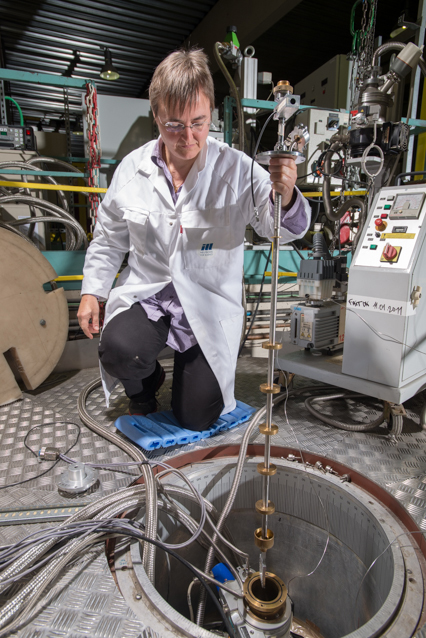
Judith Peters on the top of the IN13 instrument at the Institut Laue-Langevin
J. Peters was co-responsible for the IN13 backscattering spectrometer at the Institut Laue-Langevin (ILL) from 2006 to 2020. This instrument is dedicated to neutron incoherent scattering on biological samples to observe movements at the nanometer scale and their relationship with the functionality of the system.
Contact(s) :
Judith Peters
MODI team
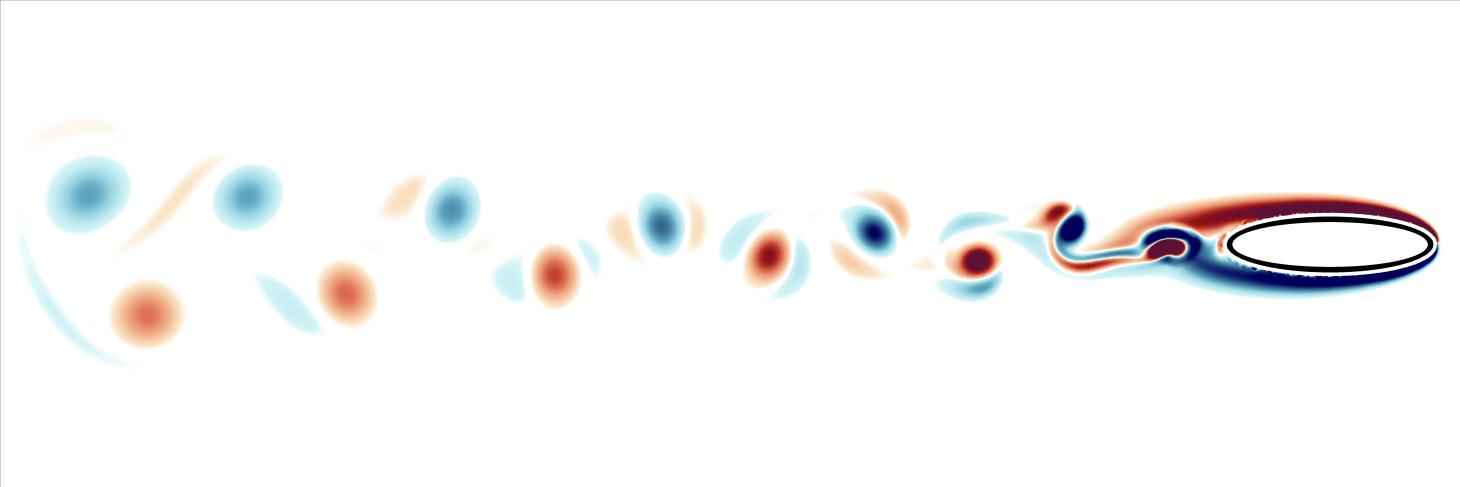
Wake behind a numerical fish: reverse von Karman vortex wake
Result of a numerical simulation of a minimal swimmer in laminar flow (Re~1000). The fish is described as an ellipsoid without any tail. Only the forces applied by the tail in the fluid are taken into account. The color map represents the vorticity. The picture shows a vortex wake made of counter rotating vortices, also known as reverse von Karman vortex wake. This wake is typically created by fish using a caudal fin to generate thrust.
Contact(s) :
Philippe Peyla & Bruno Ventéjou
MoVe team
Acknowledgments
Adriana Stoenescu, Guillemin Raymond, Romain Lhermerout, Victor Mathieu & to everyone who contributed to this photo exhibition
- Share
- Share on Facebook
- Share on LinkedIn